Queer Places:
Harvard University (Ivy League), 2 Kirkland St, Cambridge, MA 02138
Forest Hills Cemetery and Crematory, 95 Forest Hills Ave, Boston, MA 02130, United States
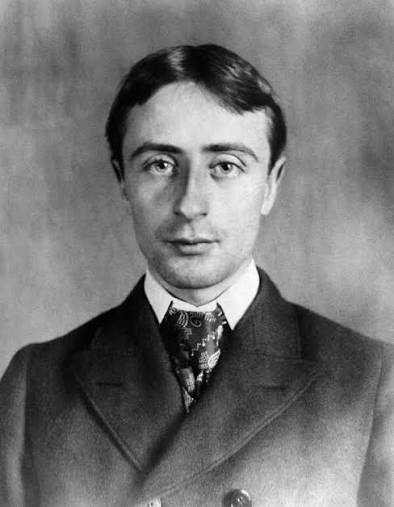 Herbert Copeland (June 30, 1867 – November 1923) was born on June 30, 1867, in Boston, Massachusetts, to parents William Henry C. Copeland and Abbie A.
Cutter Copeland. He grew up to become a prominent figure in late-nineteenth-century American literary circles, deeply entrenched in Boston's bohemian and
aesthetic movements. During his education at Harvard University, Copeland built a network of creative classmates that would shape his professional and
personal life, collaborating with figures such as Ralph Adams Cram, Herbert Small, and
Philip Savage.
Herbert Copeland (June 30, 1867 – November 1923) was born on June 30, 1867, in Boston, Massachusetts, to parents William Henry C. Copeland and Abbie A.
Cutter Copeland. He grew up to become a prominent figure in late-nineteenth-century American literary circles, deeply entrenched in Boston's bohemian and
aesthetic movements. During his education at Harvard University, Copeland built a network of creative classmates that would shape his professional and
personal life, collaborating with figures such as Ralph Adams Cram, Herbert Small, and
Philip Savage.
As a young intellectual, Copeland aligned himself with the Visionists, an elite artistic circle that championed the philosophy of "art for art's sake"
and upheld the supreme nobility of artistic production over all other commercial or social activities. Alongside Copeland, this influential movement
included notable figures such as Alice Brown, Ralph Adams Cram, photographer and publisher
Alice Brown, poet Philip Savage, and writer
Louise Imogen Guiney. His literary career expanded significantly when he co-founded the pioneering
publishing house Copeland & Day alongside F. Holland Day. Emerging out of the short-lived bohemian little magazine Knight Errant, Copeland & Day became
the flagship enterprise of their creative cohort. The firm played a revolutionary role by introducing full-fledged Wildean aestheticism and decadent,
Beardsley-esque art in its most highly developed form into the United States, famously bearing the imprint for controversial works like
Oscar Wilde and Aubrey Beardsley's Salomé. Copeland managed the
conventional side of the publishing house by leveraging his Harvard contacts to secure a steady stream of promising young authors, while Day brought
international connections to the London literary world, keeping the firm at the forefront of the American aesthetic movement through bestsellers like the
Vagabondia series and Harvard Episodes.
Beyond his professional legacy, Copeland's life offers a meaningful lens into late-nineteenth-century queer history. Moving within the same
avant-garde circles as Oscar Wilde, Copeland navigated a lifestyle shaped by same-sex romance and intimate homosocial networks. He frequently utilized
F. Holland Day's Boston studio, North Shore estate, and Norwood house for private trysts and dalliances. His personal letters candidly reflected the
complexities of his romantic attractions, including an infatuation with a young married man that he detailed in correspondence to Day. Copeland never
married, spending his adult life deeply embedded in Boston's artistic counterculture. He passed away in November 1923 at the age of 56 in his native
Boston and was laid to rest at Forest Hills Cemetery and Crematory in Jamaica Plain, Massachusetts.
References:
Other references:
- Jussim, Estelle. Slave to Beauty: The Life, Times, and Use of F. Holland Day : The Photographer, Publisher, Man of Letters. (David R. Godine, 1981).
- Kilgour, Ruth L. Lee and Shepard: Publishers for the People. / General studies on 19th-century American independent publishing and the Vagabondia series history.
- Massachusetts State Archives / Suffolk County Registry of Vital Records: Birth registration for Herbert Copeland (June 30, 1867) to parents William Henry C. and Abbie A. (Cutter) Copeland.
- Death and burial registry records for November 1923, documenting his interment at Forest Hills Cemetery and Crematory in Jamaica Plain, Massachusetts.
- Harvard University Alumni Records: Harvard College class notes, class day publications, and contemporary undergraduate literary society archives regarding his circle of classmates (including Ralph Adams Cram, Herbert Small, and Philip Savage).
- The Publications of Copeland & Day (1893–1899): The firm's American editions of Oscar Wilde and Aubrey Beardsley's Salomé, The Yellow Book, the Vagabondia poetry series (Hovey, Carman, Meteyard), and Harvard Episodes.
- Knight Errant (1892–1893) – The Boston bohemian quarterly co-founded by his cohort that laid the groundwork for the Copeland & Day publishing house.
Support this project
This website is a passion project researched, developed, and funded entirely by me. If you find the content valuable and would like to help support the ongoing research and hosting costs, any contribution is deeply appreciated.
Thank you for keeping this independent resource alive!
My books on Amazon: Elisa Rolle's books
BACK TO HOME PAGE